Google Cloud stories
Mid-market users will get embedded AI, a new analytics layer and industry-specific upgrades as routine ERP tasks shift onto Acumatica's 2026 R2 platform.
The update could reduce cloud costs and latency for autoscaling Java fleets, letting new instances reach full performance much faster on first request.
It aims to close a governance gap as firms struggle to track AI agents across multiple cloud and software platforms and assess their risks.
Tender-bidding businesses could see faster results as Lucius AI says its move to AlloyDB cut semantic search latency from 1.14 seconds to 24 milliseconds.
Ping Identity has launched three identity agents that let employees and administrators manage identity tasks through Google Cloud Gemini Enterprise.
Regulated firms could search and export archived messages through AI while keeping existing permissions, audit logs and chain-of-custody controls.
The appointment comes as Omnissa looks to bolster its position in endpoint management software amid the rise of AI agents in workplaces.
Access approvals can now be handled in Google Chat, as Keeper brings privileged requests and just-in-time elevation into Workspace workflows.
Lower running costs and faster output are aimed at businesses using Anthropic's latest Claude model, which starts at USD $4 per million input tokens.
Partner-led sales now account for Exabeam's highest-volume pipeline source, as new-logo business surged 138% above plan in the first half.
Cloud AI bills are drawing new scrutiny as Stacklet targets waste across AWS, Google Cloud and Azure with tested controls.
Its offline safety app for mine workers will be sharpened with Google help, as Co Connect joins a 15-startup AI cohort.
With Fortune 500 firms expected to deploy vast armies of agents, the alliance aims to curb access risks as AI tools spread across business systems.
Enterprise Oracle users could cut licensing and infrastructure costs as Google Cloud adds high-memory M4N instances tuned for heavy I/O workloads.
Operators could use the new framework to spot faults faster, test changes safely and automate telecoms network decisions as complexity rises.
The service aims to cut storage overheads for firms running thousands of AI agents, while keeping workspaces isolated and quick to spin up.
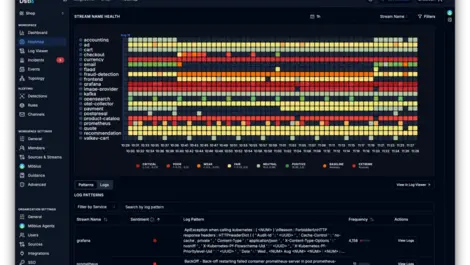
The platform meant to cut response times for teams wrestling with faster AI-driven release cycles, and one early customer surfaced 328 incidents in two months.
Many Australian companies are still failing to translate rising AI budgets into measurable gains, with 37% showing no meaningful value.
The new runtime aims to let firms automate longer workflows in finance, HR and supply chain under tighter governance and audit controls.
The new feature targets a growing gap in AI governance, after Cohesity found 56% of organisations feel unprepared for agent mishaps.