Singapore stories
Banks can now plug into PingPong's cross-border payments network via a single API as annualised transaction volume passes USD $300 billion.
Regulators are sharpening expectations, while most payment firms still lack a clear plan to protect systems and data from quantum-enabled attacks.
Supply constraints and tighter scrutiny could hit lead times, pricing and order fulfilment across the AI chip market if disruptions persist.
The recognition bolsters Westcon-Comstor's efforts to attract and keep talent across six Southeast Asian markets in a tight tech labour market.
The funding will help test whether Nutrivert's non-antibiotic treatment can match antibiotics on growth and feed efficiency in 4,800 pigs.
Australian Samsung Wallet users can now pay at millions of Asian merchants by scanning QR codes with existing Visa cards abroad.
Leading municipalities are recouping AI spending 10 months faster, as wider deployments lift average returns to 96% and improve services.
Regional airlines and airports could face tighter fuel supply as the partners target a market forecast to grow from USD $1.07 billion to over USD $7.6 billion by 2031.
The South African automation group is targeting 12 overseas markets through local partners, as it shifts Welsh from revenue to growth leadership.
Enterprises may need tighter controls over autonomous software as it moves across clouds, partners and borders, DE-CIX says.
Power scarcity is pushing data centre developers to secure electricity earlier, as DayOne and Sembcorp study energy options for Asian projects.
The Singapore fintech says the system could make identity, asset and rule checks part of blockchain transfers, easing institutional concerns.
The new EU-Singapore digital trade rules are giving Rome a stronger case for attracting Singapore capital and fintech expansion into Europe.
Developers face sharply different build costs across the region, with Singapore at USD $15.39 per watt and Ho Chi Minh City at USD $8.32.
The rollout will unify replenishment, shelf planning and promotions across 28 stores, reducing manual work for Singapore's largest family-owned grocery chain.
The partnership will back new clinical and population-health tools as Singapore uses AI to tackle ageing pressures and faster disease detection.
The upgrade gives businesses more visibility and control as customer service moves towards AI agents acting on behalf of shoppers.
Reusing stranded grid links at disused mills and smelters could get data centre capacity to market faster, the company says.
Despite widespread experimentation, most Singapore companies are building AI tools without clear governance, raising compliance and operational risks.
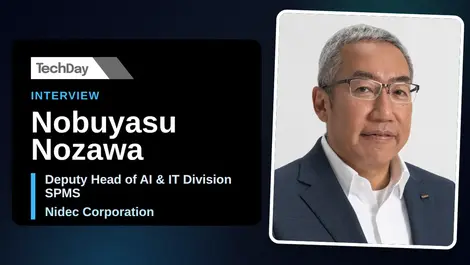
Growing demand for AI cooling is drawing operators and cloud providers to Nidec, which used its Singapore debut to open partnership talks.